
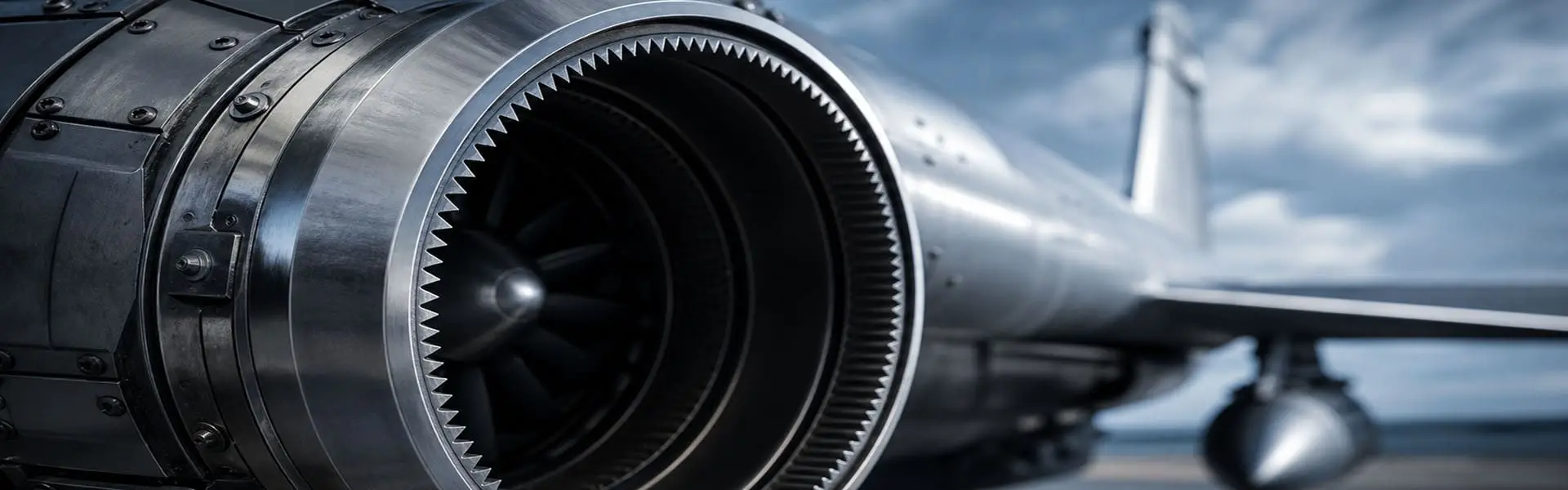
Above 400 °C, conventional anticorrosion paint stops being a coating and becomes ash: binders char, zinc primers exhaust, and the corrosion that heat accelerates gets a free run at the steel. Chimneys, flue ducts, steam pipelines, heat exchangers and furnace externals live exactly in that window — hot enough to destroy paint, wet and acidic enough (flue-gas condensate, desulfurization slurry, coastal air) to corrode aggressively.
Polysilazane ceramic coatings hold this ground because their protection mechanism improves with heat instead of degrading: the Si-N binder converts toward an inorganic ceramic structure in service, densifying around heat-stable fillers. The result is thin-film protection — tens of microns, not hundreds — that survives thermal cycling, salt spray and acid condensate simultaneously.
The practical question is never whether a ceramic coating exists for your temperature, but which cure route your asset allows: equipment that can be oven-cured or heat-commissioned takes the HT line; equipment that must be coated in place and returned to service takes the ambient-cure RT31.
Service Conditions Covered
| Temperature range | Continuous 600 °C (HT21/HT23/RT31 class) up to 800 °C recommended service (HT52/HT53), with instantaneous excursions to 800–1300 °C depending on grade and cure route |
| Substrates | Carbon steel, alloy steels, stainless grades including 310S/316; substrate alloy sets the real ceiling |
| Media | Flue gas and condensate, desulfurization environments, salt-laden air, acid splash (5% NaCl/H₂SO₄/HNO₃ protocols), thermal cycling with water quench |
| Film build | 10–40 µm dry film single coat — thin-film protection with minimal heat-transfer penalty on exchangers |
| Curing options | Ambient cure (RT31, >24 h) · 180–260 °C oven schedules (HT grades) · 500 °C air or validated nitrogen programs for top-tier duty |
Recommended Products & Why
| Grade | Format | Curing | Service Temp. | Why this grade |
|---|---|---|---|---|
| SILZ-RT31 | — | >24 h | -30 to 600 °C (800 °C instantaneous) | The no-oven answer: cures ambient on in-place equipment, serves -30 to 600 °C with 800 °C spikes — maintenance windows measured in hours, not shutdowns. |
| SILZ-HT21 | Two-component | 180 °C / 90 min (after 10 min tack-off) | Continuous up to 600 °C | Black 600 °C workhorse with >5 water-quench thermal-shock cycles and 30-day triple-acid immersion — the default for cycling hot sections. |
| SILZ-HT23 | Two-component, A:B = 3:1 | — | Continuous up to 600 °C | Same 600 °C endurance class in white: heat reflection plus a surface where damage and staining show early for inspection programs. |
| SILZ-HT52 | — | 260 °C or 500 °C / 1 h | -30 to 800 °C (air-cure max 700 °C; nitrogen-cure max 1300 °C) | Ultra-high-temperature tier: 1000 °C / 24 h verified, salt spray passed after 800 °C exposure, nitrogen-cure route to 1300 °C. |
| SILZ-HT53 | Two-component | 260 °C / 60 min | -30 to 800 °C | The black-gray top-tier build with ≥1000 h salt spray and the same 1000 °C / 24 h class result — specified where endurance hours lead the requirement. |
Format, curing and temperature values from each product's TDS.
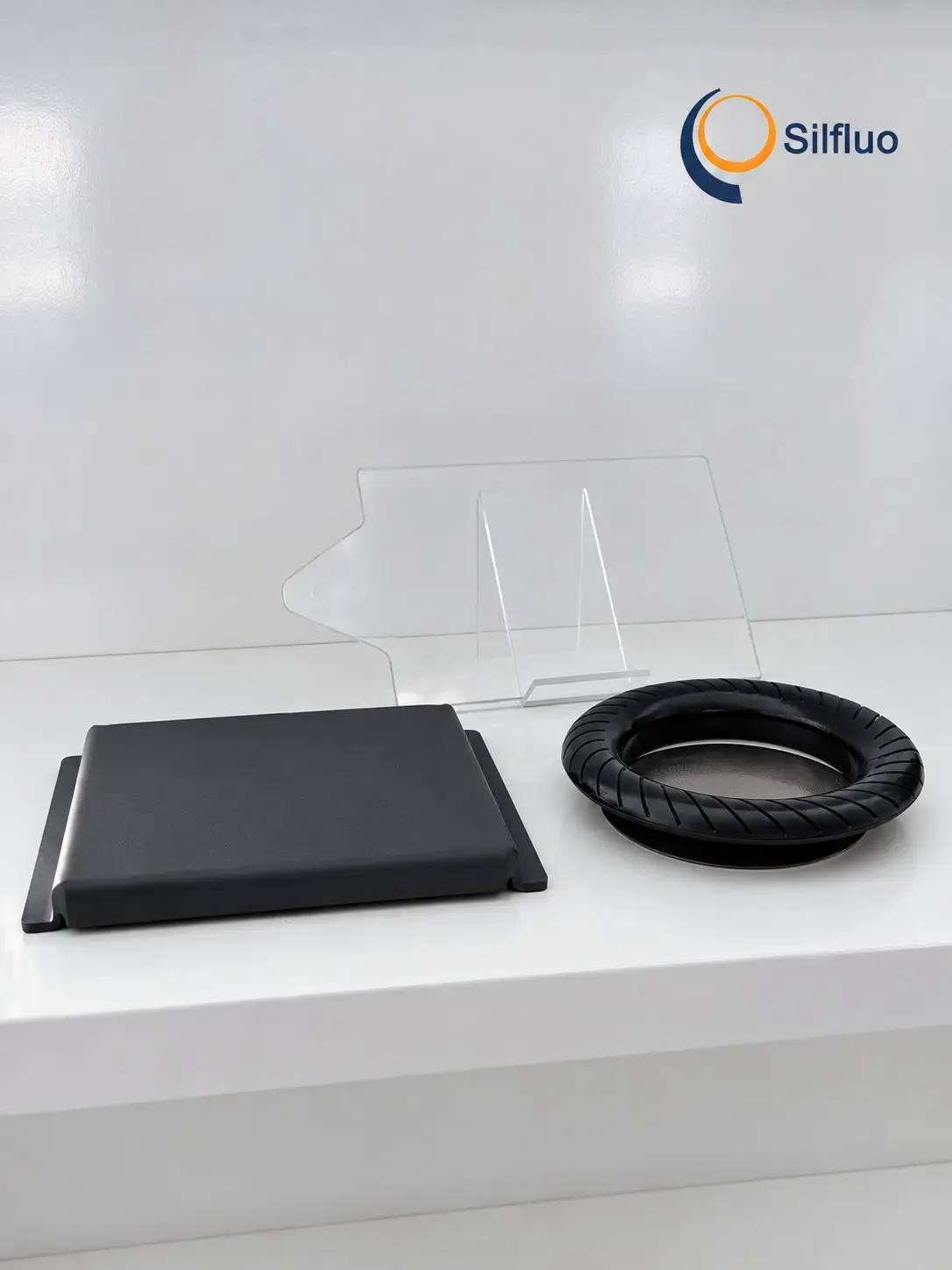
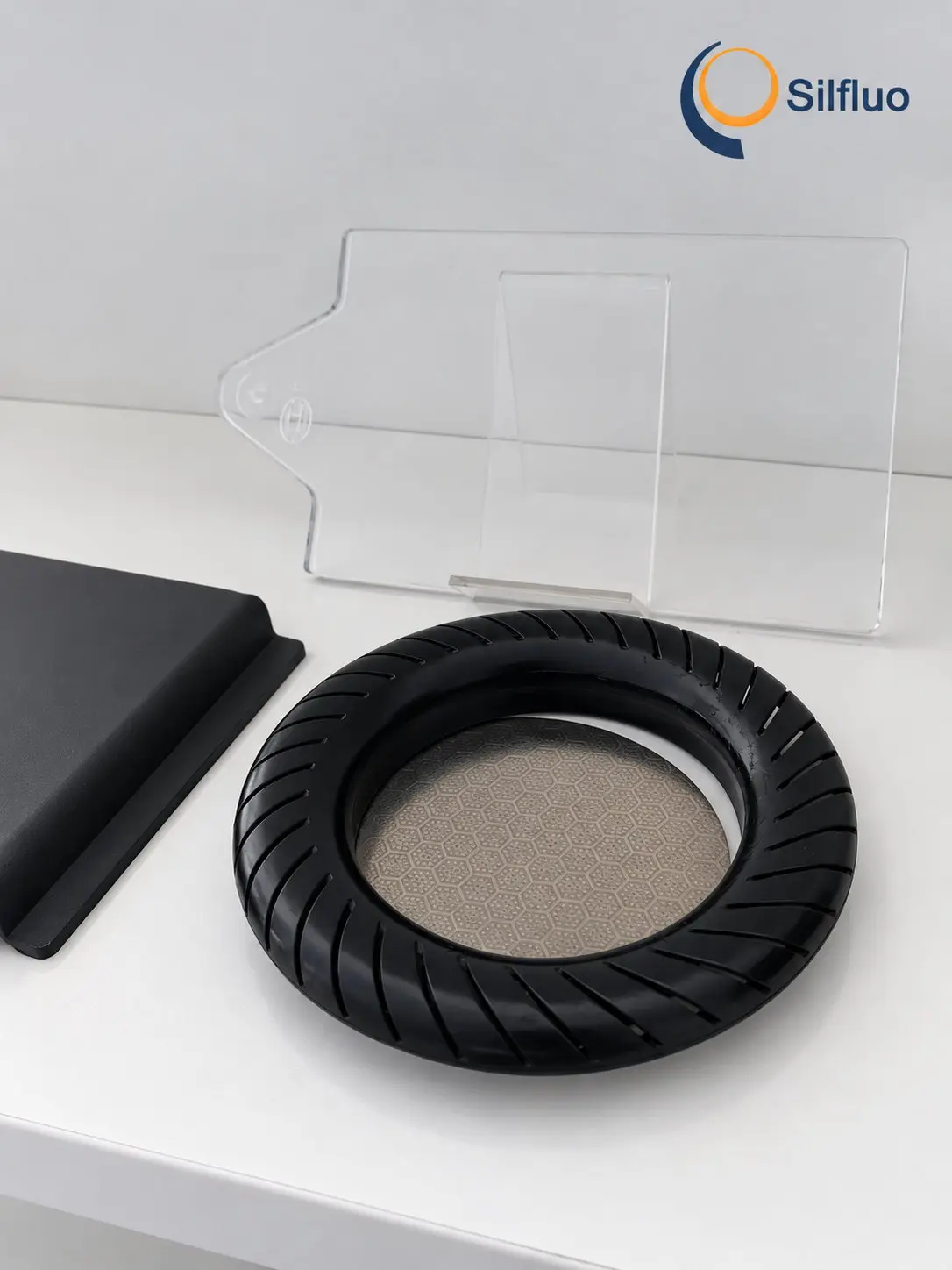
Samples & Reference Photos
Bench Tests on Video
Surface Preparation & Application Principles
Surface preparation is half the coating: grind or sandblast to Sa 2.5 (minimum St 3 with no mill scale, GB/T 30790.4-2014), degrease, and dry. On old flue steel, remove soft scale completely — ceramic films bond to steel, not to oxide crusts.
Respect the thin-film discipline. These systems protect at 10–40 µm; building thicker does not add safety, it adds conversion stress and cracking risk. Apply in one pass (HT grades) and let the specified cure schedule — not extra material — deliver the rating.
Commissioning completes the coating: the first controlled heat-up to service temperature finishes densification. Follow the ramp guidance in each TDS, especially on thick-walled equipment where surface and core temperatures diverge.
Applicability Boundaries & What We Confirm
- Substrate ceiling governs: no coating outruns its steel. Above ~700 °C service, alloy selection (310S class and up) must be confirmed alongside the coating grade.
- Ambient-cured RT31 reaches full 600 °C capability after in-service heat exposure; purely cold service assets get corrosion protection but not the hardness and heat endurance that in-service heat develops.
- The 1300 °C figures for HT52/HT53 apply only after a validated nitrogen curing process — furnace work engineered per part, not a field procedure.
- Direct flame impingement, molten-salt contact and strongly reducing atmospheres are application-specific: send the actual conditions for a qualified answer rather than assuming coverage.
- What we confirm before recommending: peak and continuous temperature, cycling pattern, substrate alloy, atmosphere chemistry, and whether an oven or in-service heat source exists.
Discuss your project with an engineer
Send your substrate, service conditions and current coating problem — we reply with a concrete system proposal within 1 business day.