
What is Polysilazane? The Crown Jewel of Silicon Chemistry
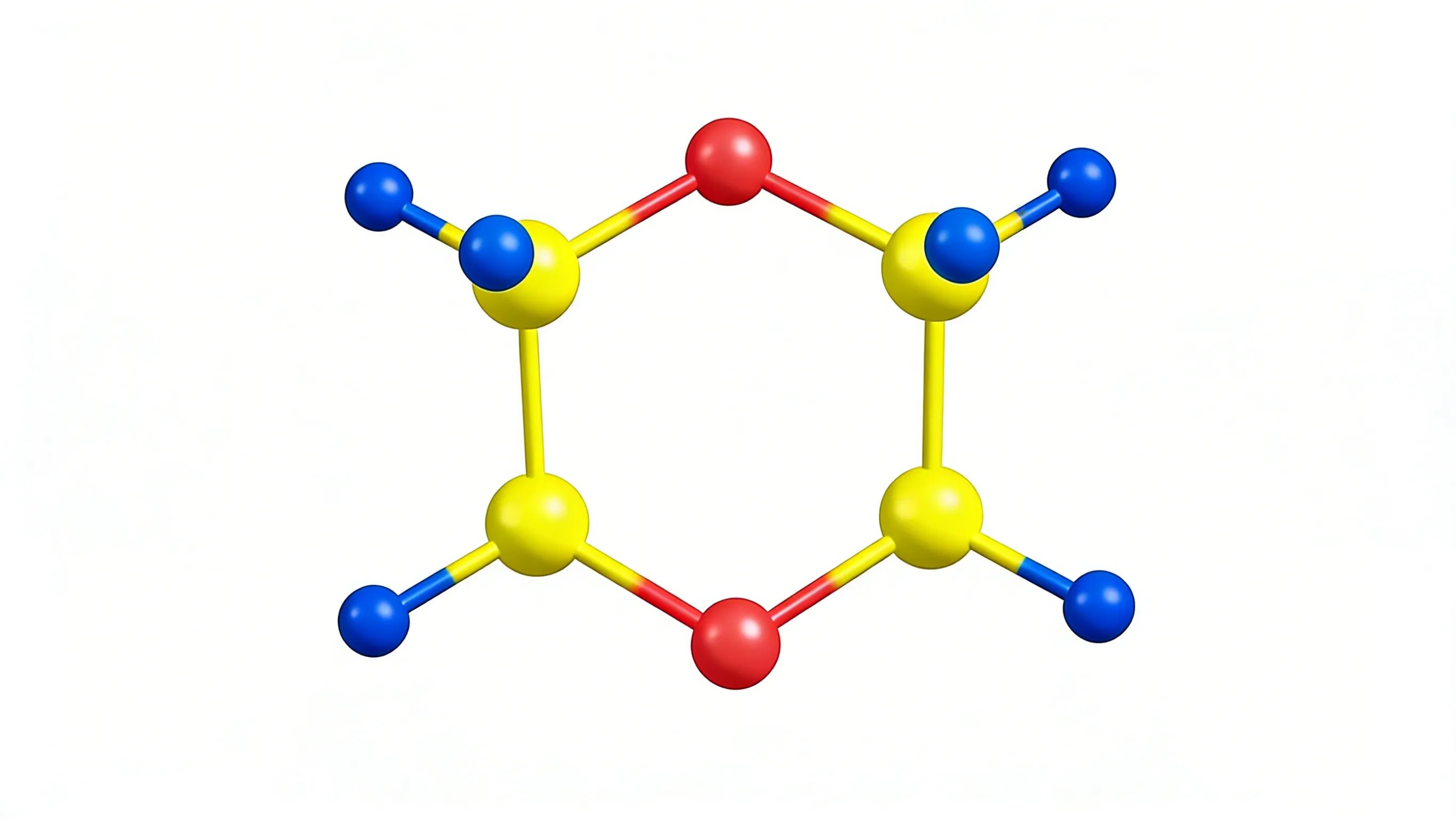
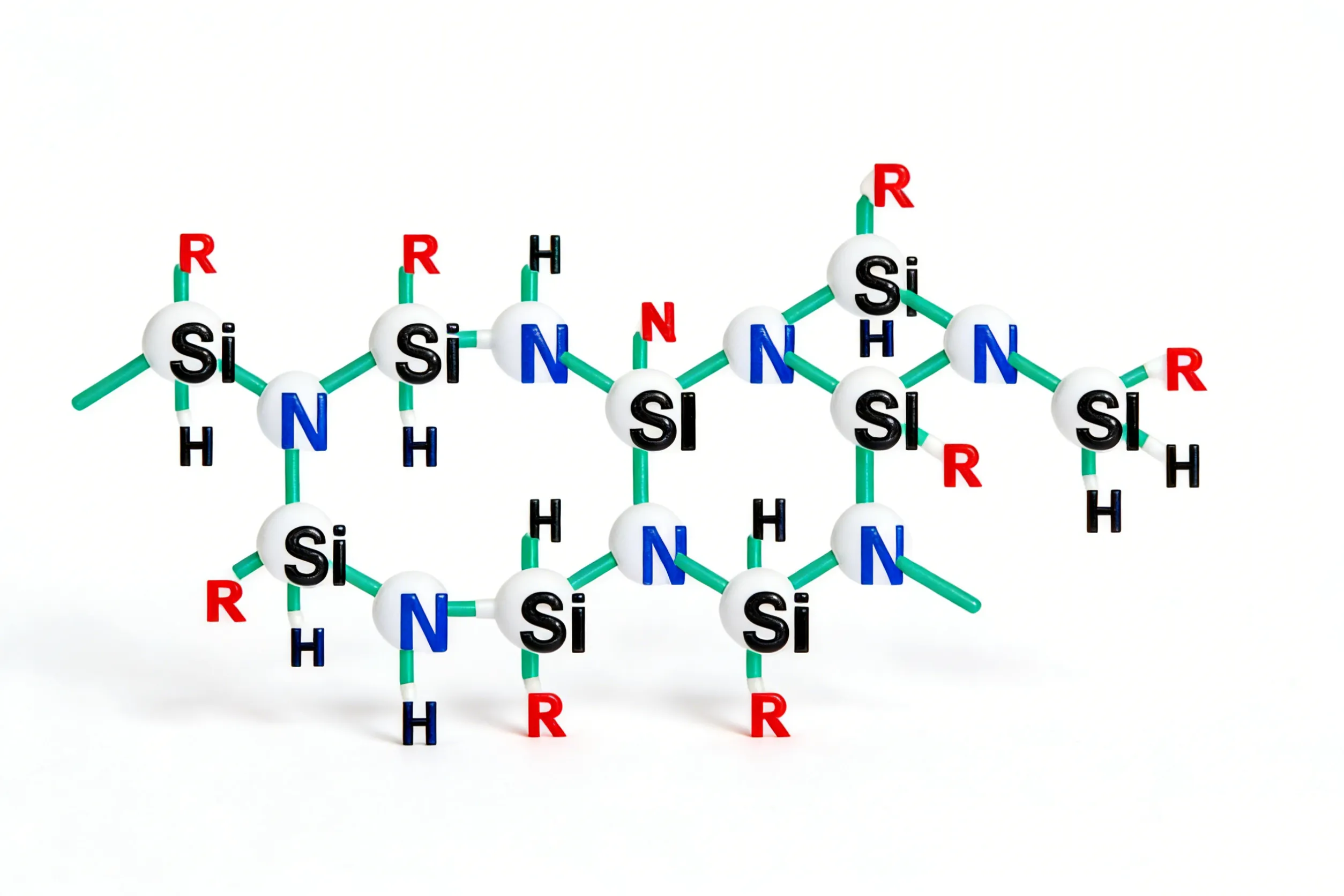
While the world is familiar with silicones (polysiloxanes) built on Si-O bonds, a more demanding class of materials has earned the nickname “crown jewel” of organosilicon chemistry: polysilazanes (PSZ), characterized by a Si-N (silicon-nitrogen) backbone. Notoriously reactive and difficult to synthesize, they deliver performance properties traditional silicones cannot reach.
A century of evolution
- 1921 — first discovery via the ammonolysis of chlorosilanes.
- 1990s — research groups began introducing boron and other heteroatoms into the backbone, shifting industry focus to modified polysilazanes.
- Today — the industry has moved from basic synthesis to advanced applications: organic polysilazane resins (OPSZ), perhydropolysilazane (PHPS), and inorganic coating systems for high-temperature service.
Why engineers choose polysilazane
Polysilazane bridges organic polymers and inorganic films: it is applied like a resin and ends up behaving like an inorganic layer. As a coating binder, it delivers:
- Extreme hardness — cured coatings reach pencil hardness of 8H and beyond.
- Thermal stability — the film densifies into an inorganic network instead of decomposing.
- Versatility — covalent adhesion to diverse substrates, radiation resistance and hydrophobicity.
Typical arenas: semiconductor dielectric layers, electrical insulation, and industrial anti-corrosion and anti-graffiti coatings.
The supply chain challenge
Despite its properties, polysilazane adoption has long been slowed by complex synthesis and transport instability. The market was historically an oligopoly of Western producers — KiON and Dow in the US, Merck in Germany on the OPSZ side; Clariant, AZ Electronic Materials and Japanese suppliers on the PHPS side.
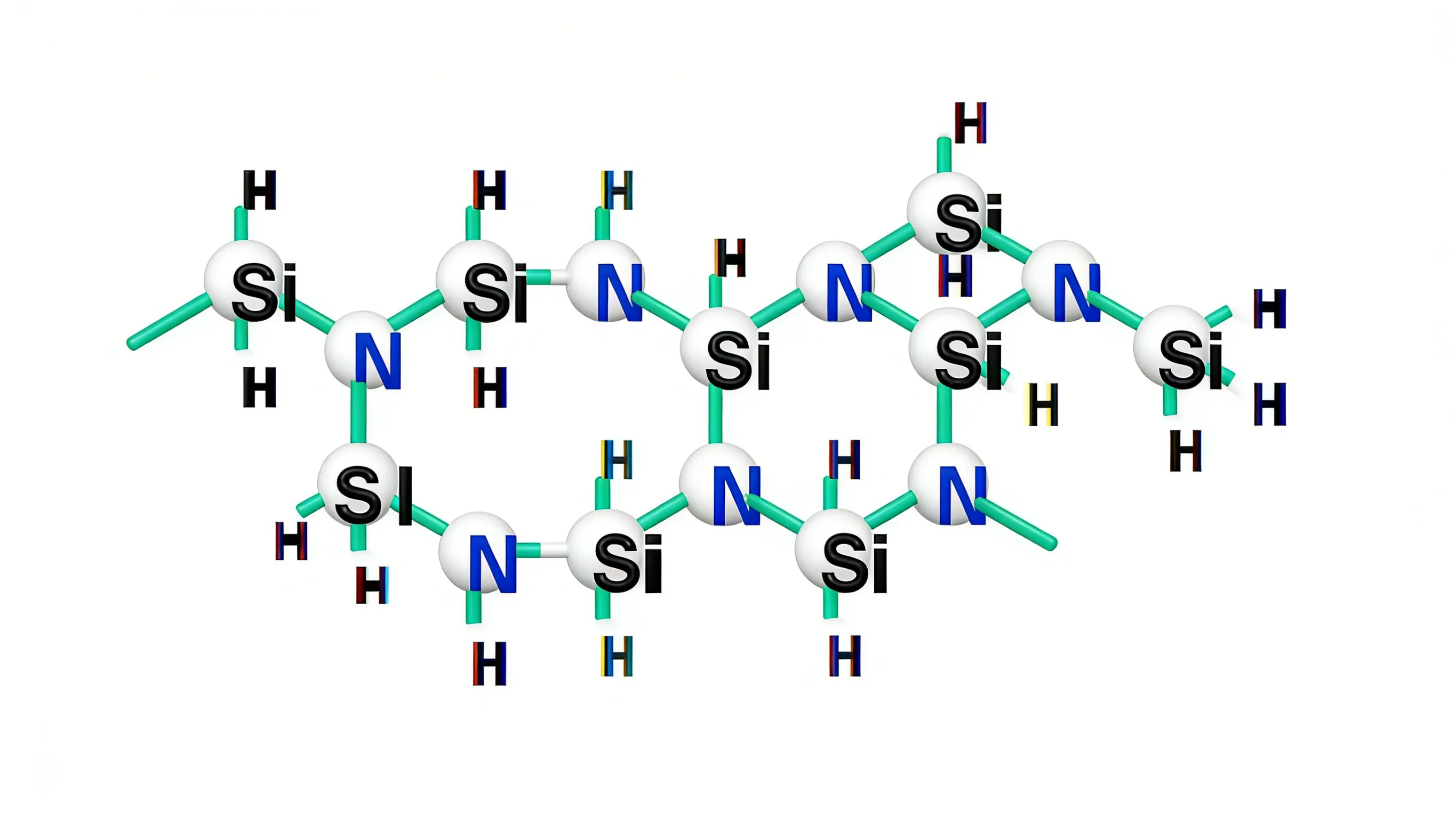
Silfluo’s answer is localized mass production of both low- and high-molecular-weight polysilazane resins, targeting application-cost reductions beyond 50% — democratizing access to the material. Our range now spans cyclic monomers through reactive modifiers to room-temperature resins and finished ceramic coatings.
Product spotlight: SILZ-VR51 high-voltage insulating coating
A recent expression of the chemistry is SILZ-VR51, an ambient- or heat-curable insulating and anticorrosion coating built on a modified polysilazane binder with alumina, sericite mica and fumed silica fillers. Its headline: dielectric strength ≥10⁵ V/mm maintained through continuous 400–500 °C service, with hardness ≥5H, Grade 0 adhesion and 30-day salt-spray and aging endurance — full specifications on the product page.
The mechanism behind it: an optimized “tassel-type” branched resin structure forms a dense 3D crosslinked network on curing; the high bond energy of the Si-N backbone stabilizes molecular alignment under electric fields; and π-bond-rich stabilizers capture localized micro-currents at the resin-filler interface, suppressing the defects that seed insulation failure.
Outlook
Driven by industrial protective coatings and electronics, the global polysilazane market is projected to grow at a CAGR above 16.5%. Silfluo continues to invest across the chain — from chlorosilanes to finished coating systems — polishing the crown jewel of the silicon industry for widespread industrial use.
Questions about polysilazane selection for your application? Talk to our engineers — reply within 1 business day.