
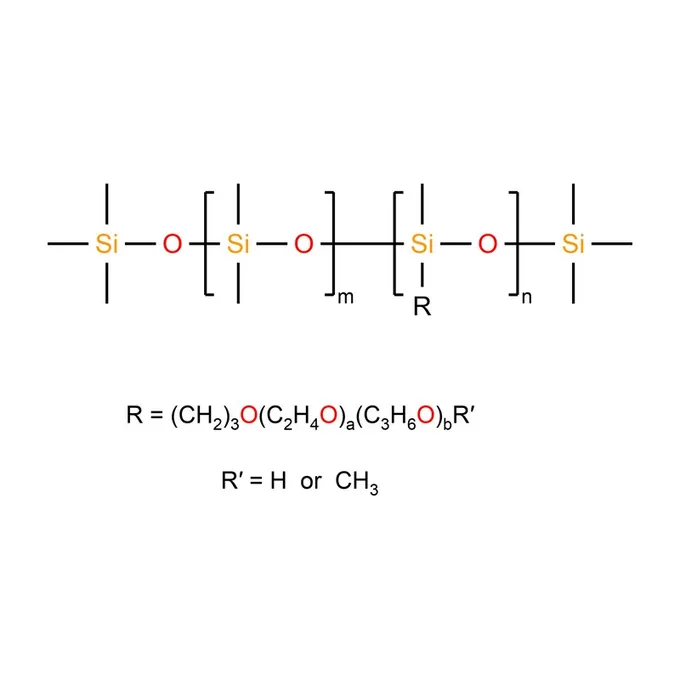
Product Overview
Recoat adhesion is a common trade-off with silicone leveling additives, because silicone that collects at the surface can weaken adhesion of the next coat. LF-1444 is described for exactly that situation — multi-coat systems where the leveling additive must not get in the way of the following layer. It shares the 600–1000 cSt range with LF-1344; choose LF-1444 for recoatability and acid or alkali exposure, LF-1344 for pigment floating, Bénard cells and slip.
Key Benefits
Recoatable films
Good recoatability lets primers, base coats and intermediate coats carry a leveling additive without blocking the next layer.
Acid and alkali resistance
Listed on the TDS for formulations where acidic or alkaline conditions are part of the picture.
Smooth films, fewer defects
Promotes flow-out and reduces surface defects in the dried coating.
Flow with surface slip
Combines leveling and slip in one additive for recoatable coating systems.
Typical Applications
- Leveling and film appearance with fewer surface defects
- Recoatable coating systems that need flow and surface slip
Solution guides: Coatings & Paints
Technical Data
| Property | Typical Value |
|---|---|
| Composition | Polyether-modified silicone |
| Appearance | Colorless to pale yellow liquid |
| Kinematic Viscosity (25 °C) | 600–1000 cSt |
| Key Function | Leveling; recoatable; acid/alkali resistant |
| Shelf Life | 12 months unopened at room temperature |
| Transport Classification | Non-dangerous goods |
Values from the LF-1444 technical data sheet. Complete TDS with test conditions available on request.
Formulation Guidance
Set the addition level by trial; no level is published. Because recoatability is the reason to choose LF-1444, build intercoat adhesion into every trial: apply your next coat at the shortest and longest recoat interval, then test adhesion.
Check flow-out, surface defects and slip at the same time, and if the coating will see acids or alkalis, add that exposure to the test plan.
Compatible Coating Systems
Described for coating formulations that need leveling and slip together with recoatability, including multi-coat systems. The TDS does not restrict resin type or carrier; verify compatibility and intercoat adhesion with the coats applied above and below it.
LF-1444 — Purchasing & Application FAQ
Why does recoatability matter for a leveling agent?
Silicone additives that concentrate at the surface can reduce adhesion of a following coat. LF-1444 is described as having good recoatability, which makes it the grade in this range to start with for primer–topcoat or multi-layer systems; confirm intercoat adhesion with your topcoat.
How do I check recoat adhesion?
Apply the topcoat over a cured base coat containing LF-1444 at your normal recoat interval, cure it, then run a cross-cut or pull-off adhesion test against a base coat made without the additive.
What does acid and alkali resistance refer to?
The TDS lists it as a property of LF-1444 without stating whether it covers stability in acidic or alkaline formulations or the cured film, and without test conditions. Ask us for details, and include your real exposure in the trial.
Which is better for me, LF-1444 or LF-1344?
Same viscosity range, different strengths. LF-1444 suits coatings that will be overcoated or face acidic or alkaline conditions; LF-1344 suits formulations troubled by pigment floating, flooding, Bénard cells or cratering, and adds slip and anti-blocking.
TDS / SDS / COA & Samples
Technical Data Sheet, Safety Data Sheet and batch Certificate of Analysis are available for LF-1444, and a COA accompanies every shipment. Evaluation samples ship with starting-parameter guidance.
Packaging: 25 kg or 200 kg plastic drums, 200 kg plastic-lined steel drums and 1000 L IBCs. Shelf life 12 months from manufacture in unopened containers at room temperature.
SDS & batch COA on request · Reply within 1 business day.