

Archives
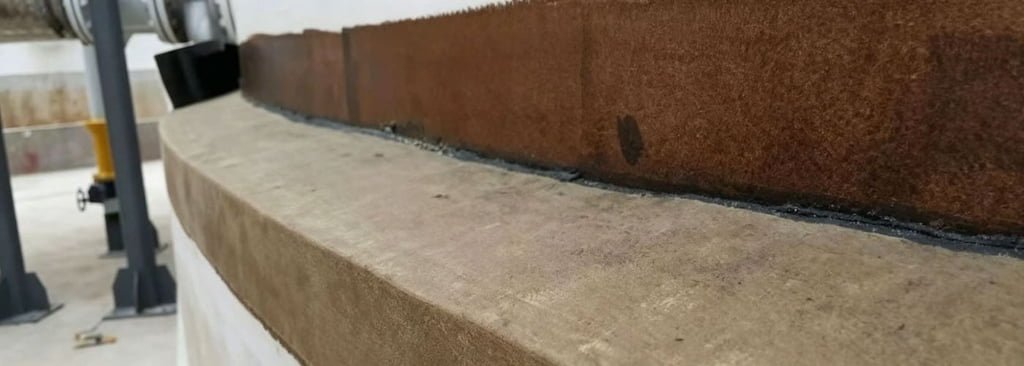
Phenyl Silicone Elastic Putty for Rail Transit Draft Gear Buffers
A rail vehicle does not start, brake, or shunt as one rigid body. Longitudinal impulses move through the train when...
Read More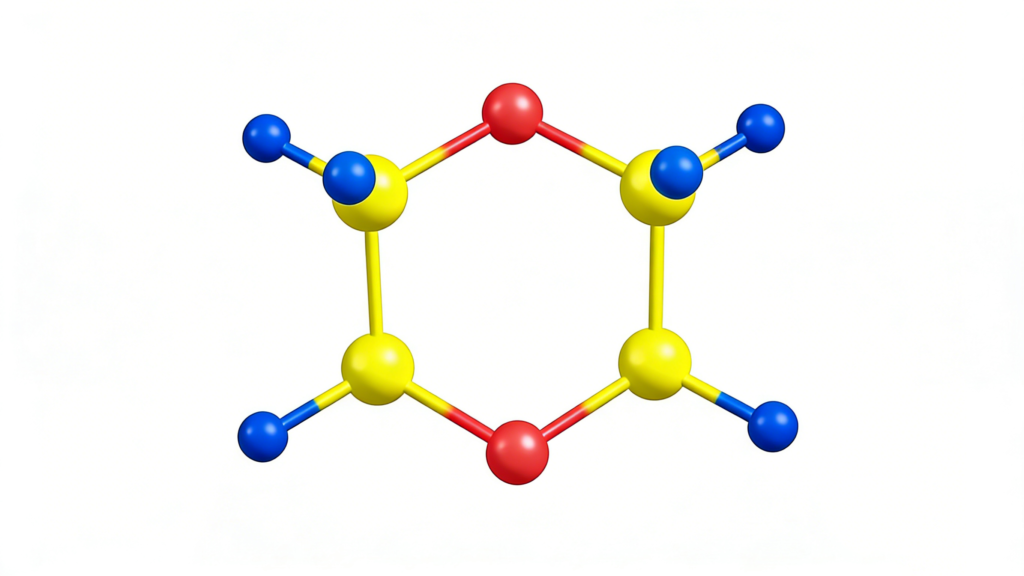
What is Polysilazane? Unveiling the “Crown Jewel” of Silicon Chemistry: An 8H Hardness, High-Temp Ceramic Precursor
1. Introduction: The “Crown Jewel” of Organosilicon Chemistry While the world is familiar with silicones (polysiloxanes) containing Si-O bonds, a...
Read More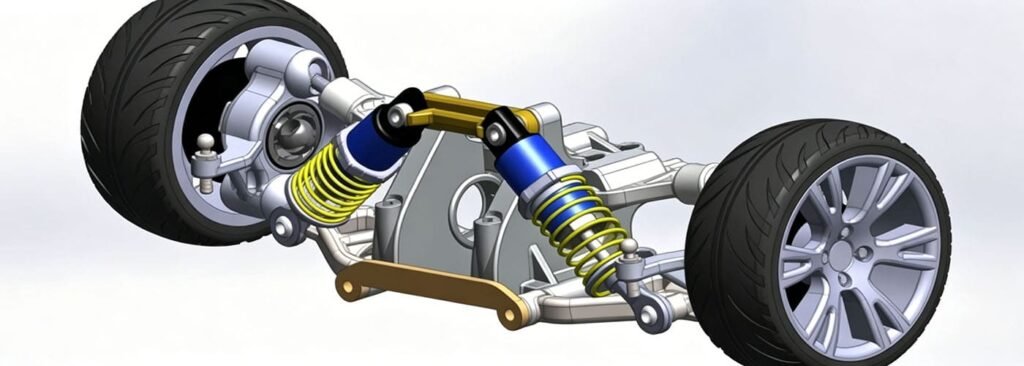
Elastic Putty Dampers for Industrial Vibration Control
A damper does not usually fail because the steel housing is weak. In rail vehicles, bridge structures, heavy machinery, and...
Read More
Elastic Putty Dampers for Viscoelastic Vibration Control
A damping system usually fails at the medium first, not the steel housing. Hydraulic dampers lose reliability when seals age,...
Read More
Why Silicone Rubber Loses Elasticity After Molding or Service
A silicone rubber seal can pass incoming inspection and still fail after months in service. The part may not crack....
Read More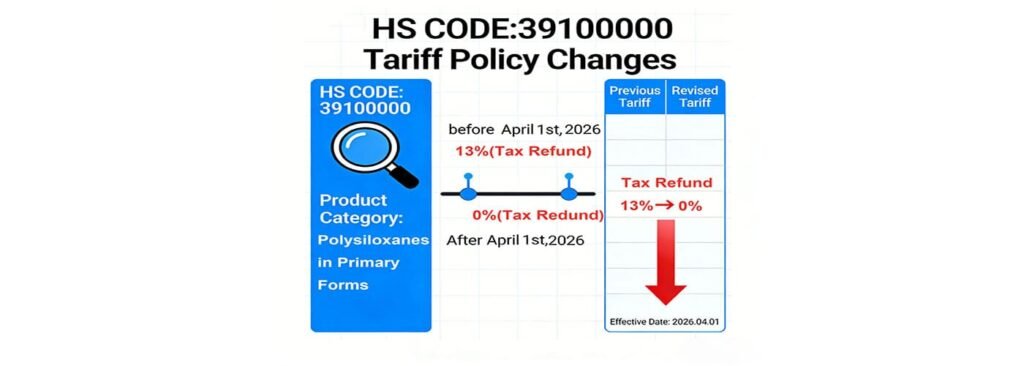
Urgent Market Alert: China Removes 13% Export Tax Rebate for Silicones (HS 39100000) Starting April 1, 2026
Policy update will increase export costs for silicone supply chains The Ministry of Finance of the People’s Republic of China...
Read More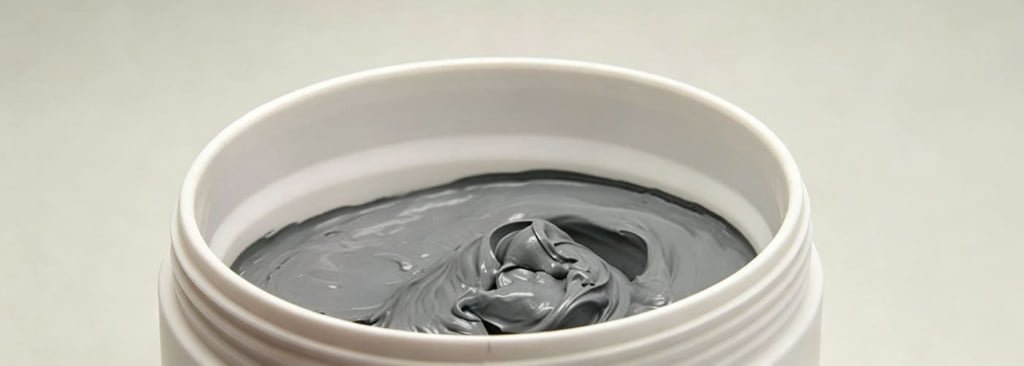
PVMQ Silicone Rubber for High-Low Temperature Shock Resistance
A silicone rubber part can pass a 72-hour heat-aging test and still shatter during cold start. This is a recurring...
Read More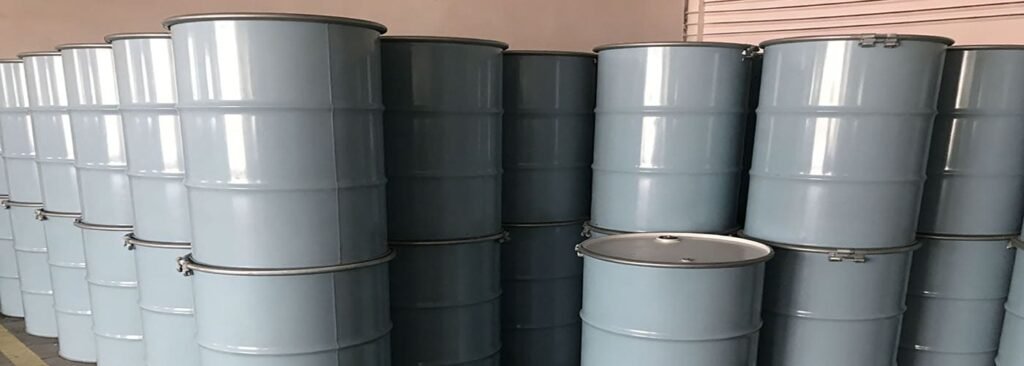
PVMQ Phenyl Silicone Rubber for Wide-Temperature Applications
A silicone rubber part can pass a heat-aging test and still fail during cold start. This is common in seals,...
Read More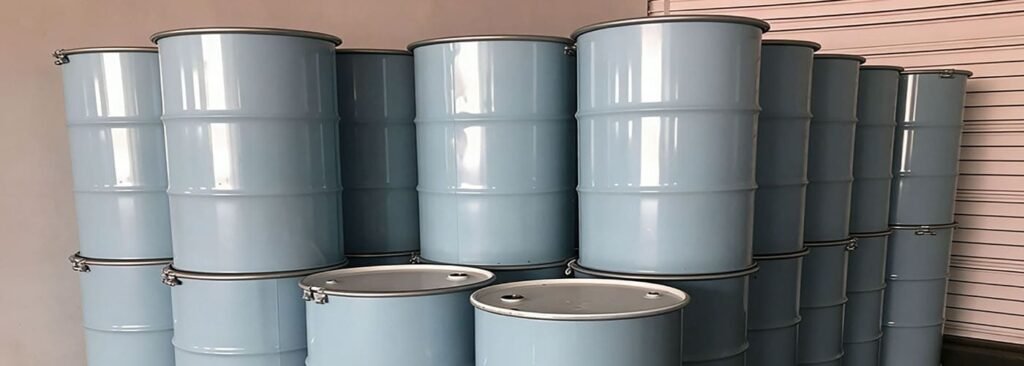
Silicone Rubber Molding Cycle Time: How to Reduce Cost Without Creating Defects
A silicone rubber part can be cured faster and still fail later. That is the hidden risk of aggressive cycle-time...
Read More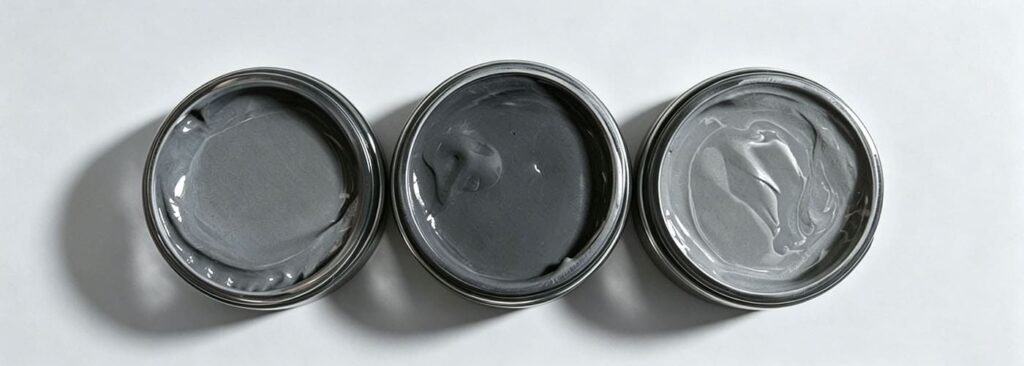
High-Performance Elastomeric Buffers: Solving the Maintenance & Comfort Crisis in Rail Transit
The draft gear (buffer) is a critical component of rail transit vehicles. Its function is to mitigate longitudinal impulses and...
Read More
Why Engineers Replace Hydraulic and Rubber Dampers with Phenyl Silicone Elastic Putty
A viscoelastic damping compound for wide-temperature vibration control — from –120°C to +250°C Most engineers select damping materials by...
Read More