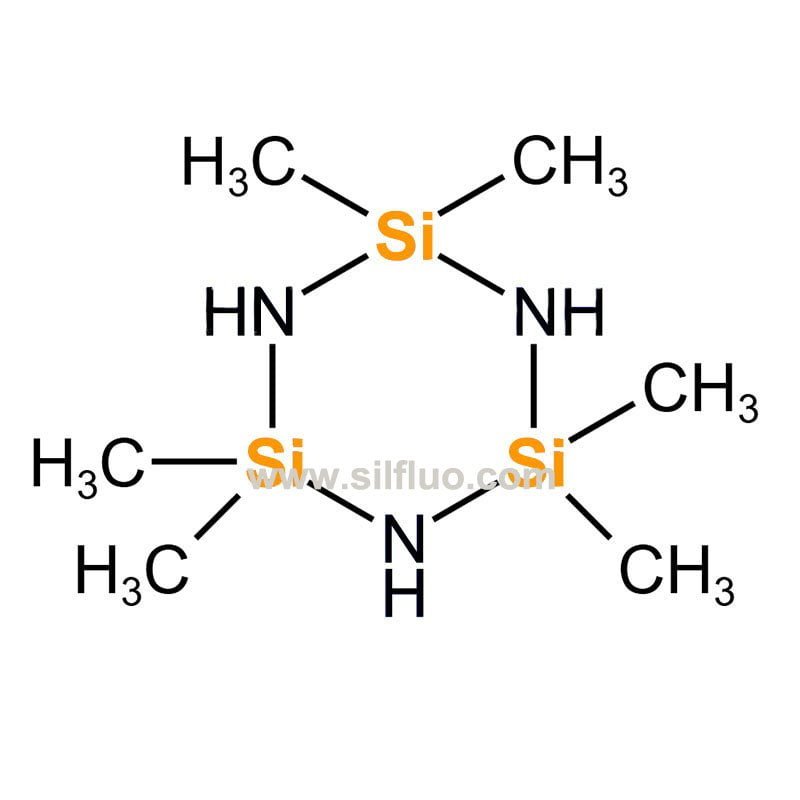
- The Si–N bonds can react with hydroxyl-containing substances, allowing HMCTS to function as an amine curing agent. It can also be used to modify hydroxyl-containing resins to enhance heat resistance and weather durability, such as phenolic resins, epoxy resins, alkyd resins, and acrylic resins.
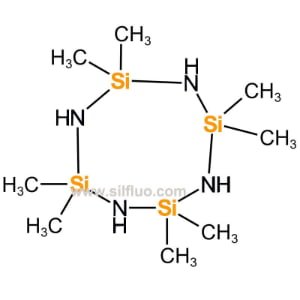
• Silazanes are widely applied in the rubber and ceramic industries. In silicone rubber processing, silazanes serve as effective additives, acting as structural optimization and control agents while improving the heat resistance and mechanical strength of vulcanized rubber. Similarly, silazanes are incorporated into other synthetic rubber systems to enhance thermal stability and mechanical performance.
| Temperature |
165°C |
180°C |
200°C |
250°C |
| Curing Conditions (DFT 5–25 μm, RH 50%) |
Surface dry time |
1h |
0.2h |
0.1h |
0.1h |
| Full Cure Time |
1h |
1h |
0.5h |
0.5h |
Standard Processing Procedure
Surface cleaning → Surface roughening → Cleaning and air drying → SILZ-CY-3 application → Curing
Instruction Manual
1. Surface roughening: Prior to coating, grind or sandblast the substrate surface to remove rust, dust, and contaminants. Surface preparation significantly affects coating performance. Recommended surface cleanliness is Sa 2.5, minimum St 3 without mill scale (GB/T 30790.4-2014).
2. Cleaning: Remove residual oil and dust using a dedicated cleaning agent or degreaser.
3. Substrate drying: Ensure the substrate surface is clean and completely dry before application.
4. Coating preparation: This product is a one-component system. Shake thoroughly before use and filter through a 120-mesh filter.
5. Application: Laboratory spray coating using a 0.5–1.0 mm nozzle spray gun is recommended for optimal appearance and uniformity.
6. Curing: After spraying, allow to tack-free dry for 10 minutes, then cure at 180℃ for 30 minutes (for coatings used below 300℃), or cure at 250℃ for 30 minutes (for coatings used above 300℃).