
Special Features of LR-PVMQ Phenyl Silicone Rubber:
When standard silicone fails due to freezing temperatures (below -50°C) or high radiation exposure, PVMQ is the only elastomer that ensures reliability. In addition to a series of characteristics of vinyl silicone rubber, this product also has:
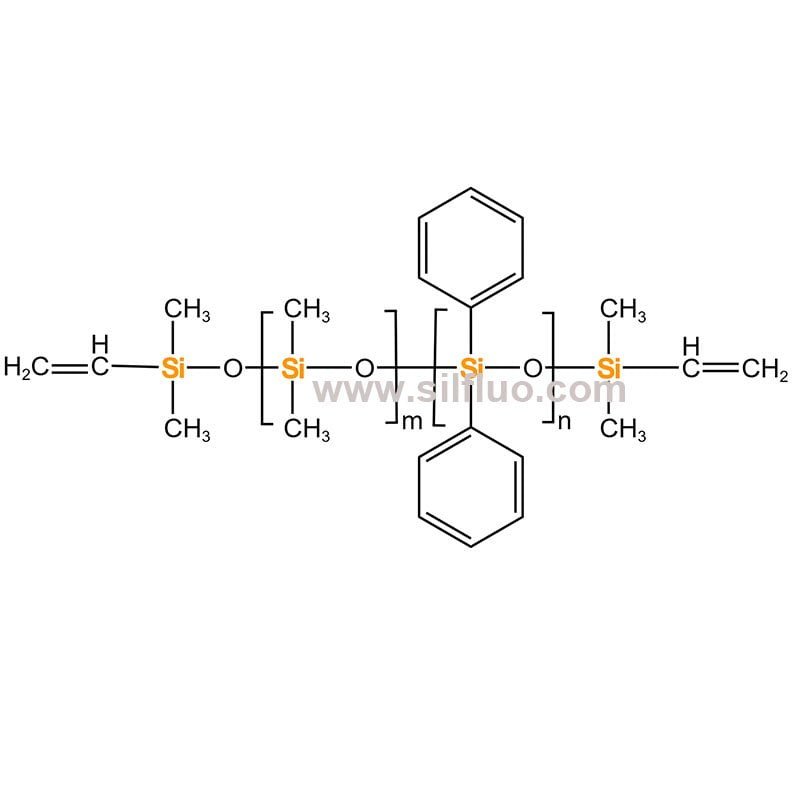
- Low Phenyl Content (5% ~ 10%)
Primary Characteristics: Extreme Low-Temperature Flexibility
Mechanism:
The introduction of bulky phenyl groups disrupts the regularity of the siloxane polymer chain. This steric hindrance effectively inhibits crystallization at low temperatures, preserving the material’s elasticity.
Key Specifications:
Glass Transition Temperature (Tg): Can reach as low as -115°C.
Service Temperature Range: -100°C to +230°C.
(Note: Standard silicone rubber typically stiffens and embrittles at -50°C.)
Applications:
Aerospace seals (high-altitude/low-temperature environments), cryogenic seals, and equipment for polar expeditions.
- High Phenyl Content (20% ~ 50%+)
Primary Characteristics: Radiation Resistance & Optical Properties
Mechanism:
The high concentration of phenyl rings provides exceptional electron density and conjugation effects, creating a stable chemical structure that absorbs energy.
Key Specifications:
Radiation Resistance: Capable of withstanding high doses of Gamma rays without significant degradation or aging.
High Refractive Index (RI): Adjustable range from 1.43 to 1.54.
High Damping: High internal molecular friction results in superior vibration damping and shock absorption capabilities.
Applications:
Seals for nuclear power plants, components for X-ray equipment, and materials for optical lenses/sensors.
Typical Technical Properties of PVMQ:
Appearance: Transparent or opalescent, without mechanical impurities
Phenyl content (mol%): 5.0-25.0 Vinyl content (mol%): 0.10-0.35 Molecular weight (10,000): 30-100
| Appearance: | Transparent or opalescent, without mechanical impurities |
| Phenyl content (mol%): | 5.0-25.0 |
| Vinyl content (mol%) | 0.10-0.35 |
| Molecular weight (10,000) | 30-100 |
Applications:
Aerospace: Aircraft door and hydraulic seals designed to remain functional at -60°C and high altitudes.
Cryogenics: Sealing solutions for Liquid Nitrogen (LN2) and Liquid Oxygen transport systems.
Nuclear Power: Cable insulation and reactor seals capable of withstanding long-term radiation exposure.
Medical: Device components requiring resistance to Gamma ray sterilization.
Specialty Uses: Vibration damping materials and base polymers for Pressure Sensitive Adhesives (PSA).
Processing & Forms: Suitable for both molding and extrusion to produce cold-resistant and radiation-resistant components, including O-rings, gaskets, tubing, and solid rods.
Package &Storage:
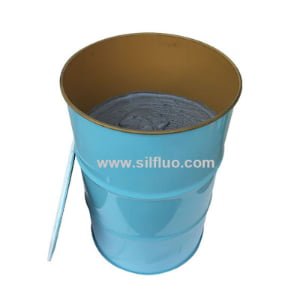
In 20kg pail, 200kg drum
Keep in cool, dry and ventilated place. Keep away from sunlight and fire sources. Keep in unopened containers, shelf life is 60 months from the date of production. It is shipped as non-hazardous substance.
Storage beyond the shelf life does not necessarily mean that the product is no longer usable. In this case however, the properties required for the intended use must be checked for quality assurance reasons.